The Pacific Ocean and the Mariana Trench
The biggest ocean and its deepest point. The Pacific covers about a third of Earth's surface, and its Mariana Trench plunges about 11 km deep. Ring of Fire, islands and dives.
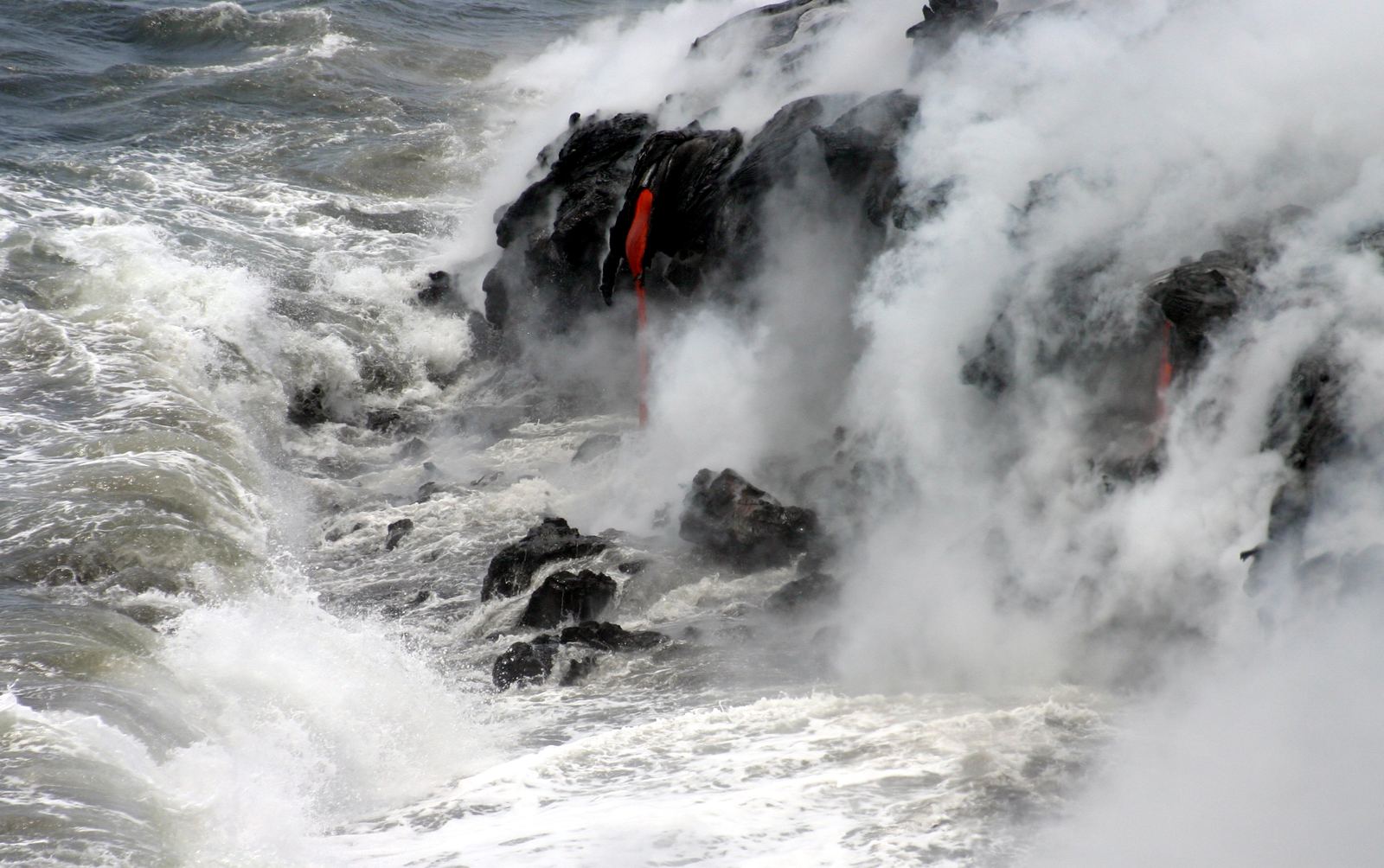
Lava meets the Pacific in Hawaii: Brocken Inaglory, CC BY-SA 3.0
An ocean bigger than all land
The Pacific is the largest feature on the surface of the planet. It covers about 165 million square kilometers, roughly a third of Earth's surface and more than all the land on Earth put together. From one viewpoint in space you can see almost nothing but Pacific water. It stretches from the Arctic to the Southern Ocean and from Asia and Australia to the Americas.
Portuguese explorer Ferdinand Magellan named it the peaceful sea after a calm crossing in 1520. The name is misleading: the Pacific produces the world's most powerful typhoons, and El Niño and La Niña swings in its surface temperature shift weather across much of the globe.
Video: Deepwater Exploration: 2016 Deepwater Exploration of the Marianas (NOAA Ocean Exploration), embedded from YouTube.
The Ring of Fire
Around its edges, the Pacific is shrinking. Oceanic plates sink beneath the surrounding continents and island arcs, forming deep trenches and chains of volcanoes in a horseshoe called the Ring of Fire. Most of the world's active volcanoes and most of its large earthquakes occur along it, from Chile and Alaska to Japan, Indonesia and New Zealand.
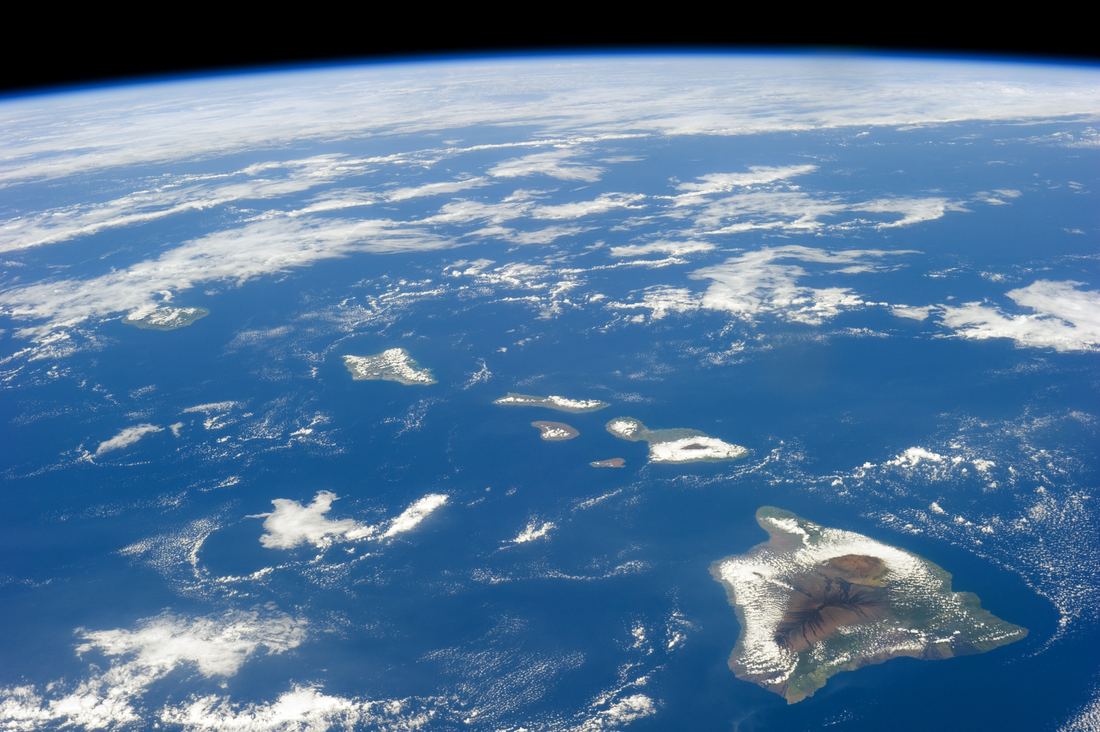
In the middle of the ocean, hotspots punch through the plate and build islands such as Hawaii, where lava still flows into the sea. As the plate moves, older islands drift away from the hotspot, erode and sink, leaving rings of coral atolls and chains of underwater mountains.
Down to the Challenger Deep
The Mariana Trench, east of the Mariana Islands near Guam, is a curved gash about 2,550 km long where the Pacific Plate dives beneath a smaller plate. At its southern end lies the Challenger Deep, about 10,935 m down. If Mount Everest were set on the bottom, its summit would still be more than two kilometers underwater.
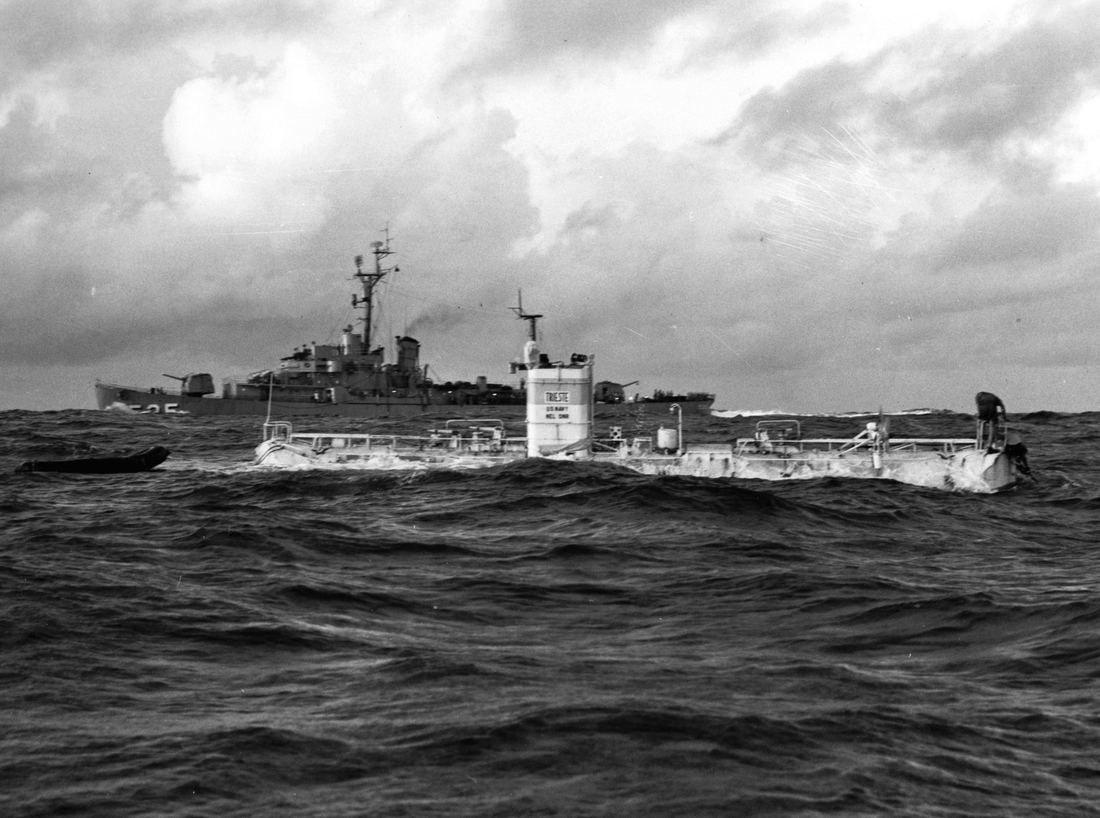
On 23 January 1960 Jacques Piccard and Don Walsh reached the bottom in the bathyscaphe Trieste. Film director James Cameron made a solo dive in 2012, and since 2019 a series of dives in a reusable submersible has carried more than twenty people to the deep. Life exists even there: amphipods, sea cucumbers and microbes thrive under more than a thousand times the pressure at the surface.
Exploring the Pacific
Much of the trench, along with the waters around the three northernmost Mariana Islands, is protected within the Marianas Trench Marine National Monument, created in 2009. Scientists explore it with remotely operated vehicles, and agencies such as NOAA often stream deep-sea dives online, a free way to watch the unexplored ocean in real time.
For travelers, the Pacific means coral reefs, volcanic islands and long coastlines. Hawaii, Fiji, French Polynesia, Palau and the Galápagos each show a different side of it. Check cyclone seasons before booking: in the tropical South Pacific, they run roughly November to April.
- NOAA Ocean Service: How deep is the ocean?
- Britannica: Challenger Deep
- Federal Register: Establishment of the Marianas Trench Marine National Monument
- Wikipedia: Pacific Ocean
Facts on this page were checked against these sources.
- Lava meets the Pacific in Hawaii: Brocken Inaglory, CC BY-SA 3.0
- Hawaii from orbit: NASA, Public domain
- Trieste over the trench, 1960: U.S. Navy (Naval History and Heritage Command), Public domain
Text written by Geographical Effect.