The Dead Sea
The lowest, saltiest place to swim. The Dead Sea lies more than 430 m below sea level and is nearly ten times saltier than the ocean, so you float. Why it is shrinking fast.
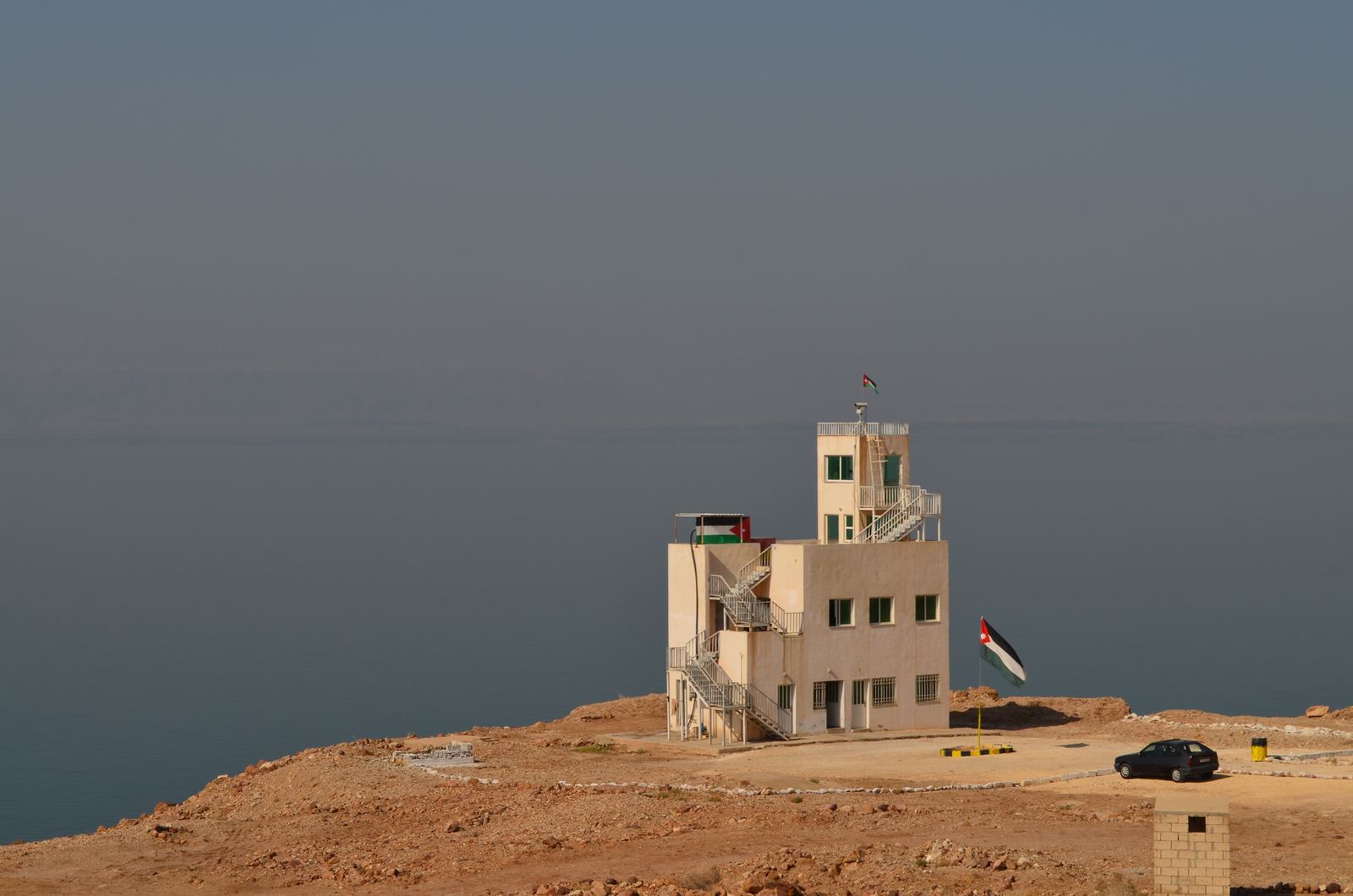
The Dead Sea from Jordan: Faris El-Gwely, CC BY-SA 4.0
The bottom of the world
The shore of the Dead Sea is the lowest dry land on Earth, more than 430 m below sea level and dropping every year. The lake sits in a deep trough along the Dead Sea Transform, a fault line where the Arabian Plate slides north past the African Plate. The same fault runs through the Jordan Valley and the Gulf of Aqaba.
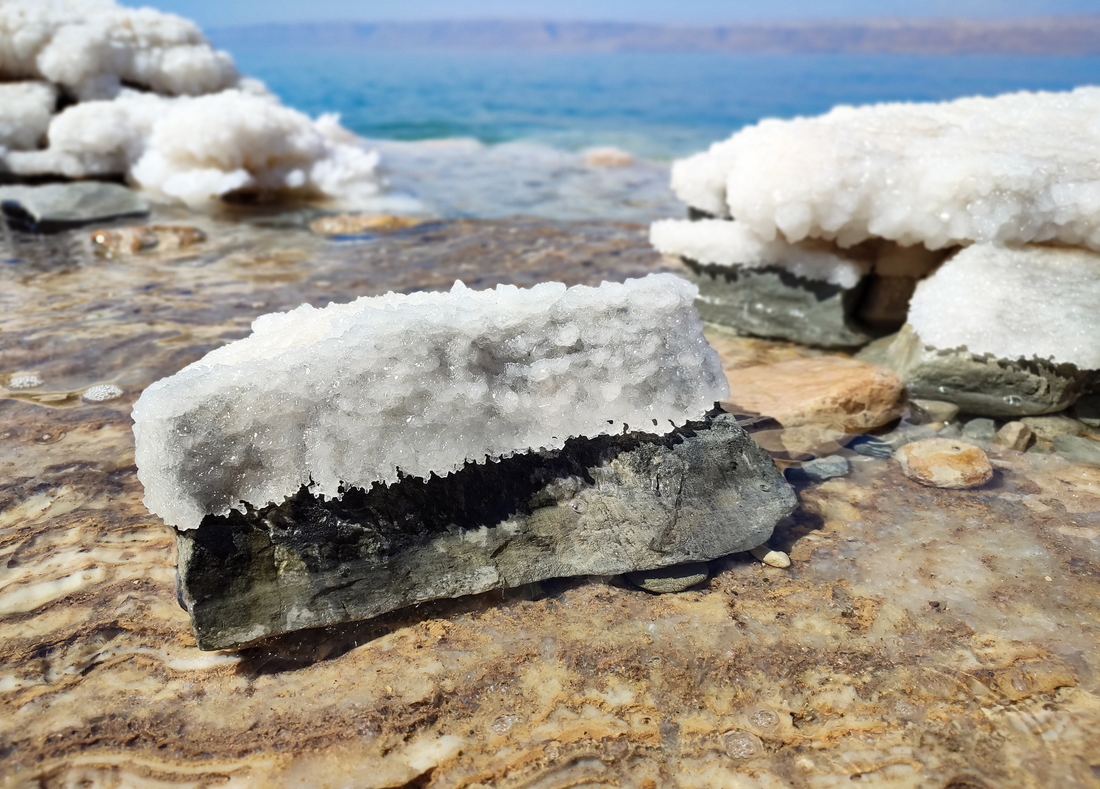
Water flows in, mostly from the Jordan River, but nothing flows out. In the hot, dry climate the water evaporates and leaves its minerals behind. Over thousands of years that has made the lake one of the saltiest bodies of water anywhere.
Video: Salt, Sewage and Sinkholes: The Death of the Dead Sea | Foreign Correspondent (ABC News In-depth), embedded from YouTube.
You can't sink in this sea and it's shrinking every year
The Dead Sea shore is about 430 m below sea level, the lowest land on Earth; its salty water keeps swimmers afloat, and its level drops about 1 m per year.
YouTube @GeographicalEffect (launching soon). Photos in this Short: עץ על אי מלח באמצע ים המלח.jpg - ערן רזניק (CC BY-SA 4.0) via Wikimedia Commons | Dead Sea salt formation (Aerial view, 2007).jpg - Godot13 (CC BY-SA 4.0) via Wikimedia Commons | Dead Sea floating (Unsplash).jpg - Rob Bye robertbye (CC0) via Wikimedia Commons | Dead Sea 08.jpg - Immanuel Giel (CC BY-SA 4.0) via Wikimedia Commons | Dead Sea salt crystals.jpg - Petar Milošević (CC BY-SA 4.0) via Wikimedia Commons | Dead Sea sunrise.jpg - High Contrast (CC BY 3.0 de) via Wikimedia Commons | Israel
Why you float
The Dead Sea is about 34 percent salt, nearly ten times saltier than the ocean. All that dissolved salt makes the water far denser than your body, so you bob on the surface like a cork. Swimming in the usual way is awkward: most people simply lean back and float.
The water is oily to the touch and stings badly in the eyes or in any small cut. Do not dive or splash, keep your face dry and rinse off in fresh water afterward. Very little can live in it, apart from some hardy microbes, which is how the lake got its name.
A sea that is disappearing
Since the 1960s the Dead Sea has been shrinking fast, its level now dropping by more than a meter a year. The main reason is upstream: Israel, Jordan and Syria divert most of the Jordan River's water for farms and cities, so far less reaches the lake. Mineral companies also pump water into evaporation ponds at the southern end to extract potash and other minerals.
As the shoreline retreats, fresh groundwater dissolves buried salt layers and the ground above collapses. Thousands of sinkholes have opened along the shore, swallowing roads, palm groves and parts of beach resorts. Former beachfront buildings now stand far from the water. Plans to pipe in water from the Red Sea have been discussed for decades, but none has been completed.
Visiting
You can visit from both the Jordanian and Israeli sides, with resorts, public beaches and spas offering showers and mud. Spring and autumn are the most comfortable seasons; summer temperatures often pass 40 °C. Nearby are the desert fortress of Masada, the Ein Gedi oasis and, on the Jordanian side, canyons such as Wadi Mujib.
Drink plenty of water, wear sandals for the salty, sharp shore and stay on marked paths, well away from sinkhole zones.
- Globes: Dead Sea level falling 1.2 meters per year
- Wikipedia: Dead Sea
- Wikipedia: Red Sea-Dead Sea Water Conveyance
Facts on this page were checked against these sources.
- The Dead Sea from Jordan: Faris El-Gwely, CC BY-SA 4.0
- Salt crystals on the shore: Petar Milošević, CC BY-SA 4.0
- Short photos: עץ על אי מלח באמצע ים המלח.jpg - ערן רזניק (CC BY-SA 4.0) via Wikimedia Commons | Dead Sea salt formation (Aerial view, 2007).jpg - Godot13 (CC BY-SA 4.0) via Wikimedia Commons | Dead Sea floating (Unsplash).jpg - Rob Bye robertbye (CC0) via Wikimedia Commons | Dead Sea 08.jpg - Immanuel Giel (CC BY-SA 4.0) via Wikimedia Commons | Dead Sea salt crystals.jpg - Petar Milošević (CC BY-SA 4.0) via Wikimedia Commons | Dead Sea sunrise.jpg - High Contrast (CC BY 3.0 de) via Wikimedia Commons | Israel Dead Sea shore (4264506785).jpg - Marc Tarlock from San Francisco (CC BY-SA 2.0) via Wikimedia Commons | Shore of the Dead Sea (53258647442).jpg - Mustang Joe (CC0) via Wikimedia Commons
Text written by Geographical Effect.